Property Rental Yields Around the World
January 28, 2026
Understanding rental yields in various regions has become essential for investors looking to optimize returns while controlling risk in the constantly changing world of international real estate investing. A key indicator for analyzing international investment opportunities is rental yield, which is the annual rental revenue represented as a proportion of the property's value. The current real estate market offers an intriguing range of returns, from the higher-yield prospects in developing Middle Eastern hubs to the cautious steadiness of European and Asian cities.
Understanding Rental Yields in Global Context
It's crucial to comprehend the factors that influence rental yield differences between cities before delving into certain markets. Property prices, rental demand, economic stability, regulatory frameworks, and market maturity are some of the variables that affect these percentages. While markets with more accessible entry points or strong rental demand frequently give higher returns, cities with extraordinarily high property prices in relation to rental income usually exhibit lower yields.
In 2026, the global real estate market exhibits unique geographical features influenced by investment philosophies, demographic dynamics, and economic conditions. In this landscape, let's compare six big cities.
Tokyo: Stability and Moderate Returns (4-5%)
With rental yields ranging from 4 to 5%, Japan's capital is an established, reliable investment market. Tokyo's special status as one of the biggest cities in the world with an advanced rental market infrastructure is reflected in this modest return.
Tokyo's real estate market enjoys a number of structural advantages. The city's enormous population of more than 14 million people generates steady demand for rentals in a variety of districts. Because Japanese property law strongly favors landlords, rent collection is dependable and evictions are comparatively simple. Furthermore, while Tokyo's real estate prices are high, they haven't grown as rapidly as those in cities like Singapore or London, resulting in a more balanced ratio between purchase expenses and rental revenue.
Compared to Western markets, the Japanese approach to real estate investing is very different. Buildings lose value over time, but land keeps its value. Because of this special feature, investors prioritize rental income over capital growth, which makes yield estimates more important in this market.\
Singapore: Premium Market, Moderate Yields (3-4%)
Singapore's 3-4% rental yield reflects its status as one of Asia's most expensive property markets. The city-state's limited land availability, combined with its position as a global financial hub, has driven property prices to premium levels, naturally compressing yields.
Singapore draws significant real estate investment despite lower percentage returns for a number of strong reasons. The market provides outstanding stability, a robust legal system, and clear property rights. Through a variety of cooling techniques, the Singaporean government keeps tight control over the real estate market, averting speculative bubbles and guaranteeing stable, predictable market conditions.
With the convenience of English-language contracts, well-established legal frameworks, and effective property management systems, Singapore offers foreign investors access to Asian markets. Given the lower risk profile and the possibility of capital growth in this land-scarce context, the lower yield is frequently regarded as acceptable.
London: Historical Premium, Moderate Returns (4-5%)
London's 4-5% rental yield positions it similarly to Tokyo, though the underlying dynamics differ significantly. As one of the world's premier global cities, London has traditionally commanded premium property prices, particularly in central areas and prestigious postcodes.
In recent years, the London real estate market has seen significant challenges. While shifting work habits after the pandemic changed demand dynamics, Brexit created uncertainty that momentarily dampened the market. London's foundations, however, are still solid: it remains Europe's principal financial powerhouse, draws talent from around the world, and upholds its status as a center of culture and education.
In London, rental returns differ significantly by location. While yields in outer boroughs and emerging districts can surpass 5%, returns in central zones with exorbitant property prices may be less than 3%. Additionally, there is a clear division in the market between more humble lodgings that serve the city's working population and luxury residences that cater to foreign purchasers.
Berlin: Affordable European Alternative (3-4%)
Although Berlin's yield of 3–4% may appear low, the German capital offers a unique investment opportunity. Berlin's real estate prices were much lower than those of London, Paris, or Munich, making it Europe's "affordable" major city for many years. As the city draws more foreign investment, this dynamic has been fast shifting.
Strict tenant protection rules, some of the strictest in Europe, govern the rental industry in Germany. Landlords' power to raise rent or break leases is restricted by rent controls and tenant-friendly laws, which has a direct effect on yield potential. However, because tenants frequently stay in buildings for long periods of time, these same protections foster stability and lower vacancy rates.
Berlin's investment appeal extends beyond immediate yield figures. The city's vibrant culture, growing tech sector, and status as Germany's capital continue attracting young professionals and international companies. Investors often accept current yields in anticipation of long-term capital appreciation as the city further establishes itself on the global stage.
Riyadh: Emerging High-Yield Market (6-7%)
Riyadh's 6-7% rental yield marks a significant step up from the established markets discussed above. Saudi Arabia's capital is experiencing dramatic transformation under Vision 2030, the kingdom's ambitious economic diversification program.
Riyadh's better yields are a result of multiple causes. In comparison to their international counterparts, property prices are still very affordable, and strong rental demand is generated by a rising private sector and a booming economy. Massive infrastructure projects, new business districts, and efforts to draw in foreign talent and corporations have all been sparked by the Saudi government's drive to lessen reliance on oil.
The rental market in Riyadh benefits from the scarcity of contemporary, international-standard homes compared to the demand from wealthy Saudi citizens and professionals living abroad. A broad rental market is supported by cultural considerations, as many Saudis choose to invest in numerous properties rather than focusing their wealth in a single premium asset.
However, investing in Riyadh requires understanding unique considerations. The market remains somewhat insulated from international investors, property ownership regulations differ from Western norms, and economic dependence on oil prices introduces volatility factors absent in more diversified economies.
Dubai: The High-Yield Leader (6-10%)
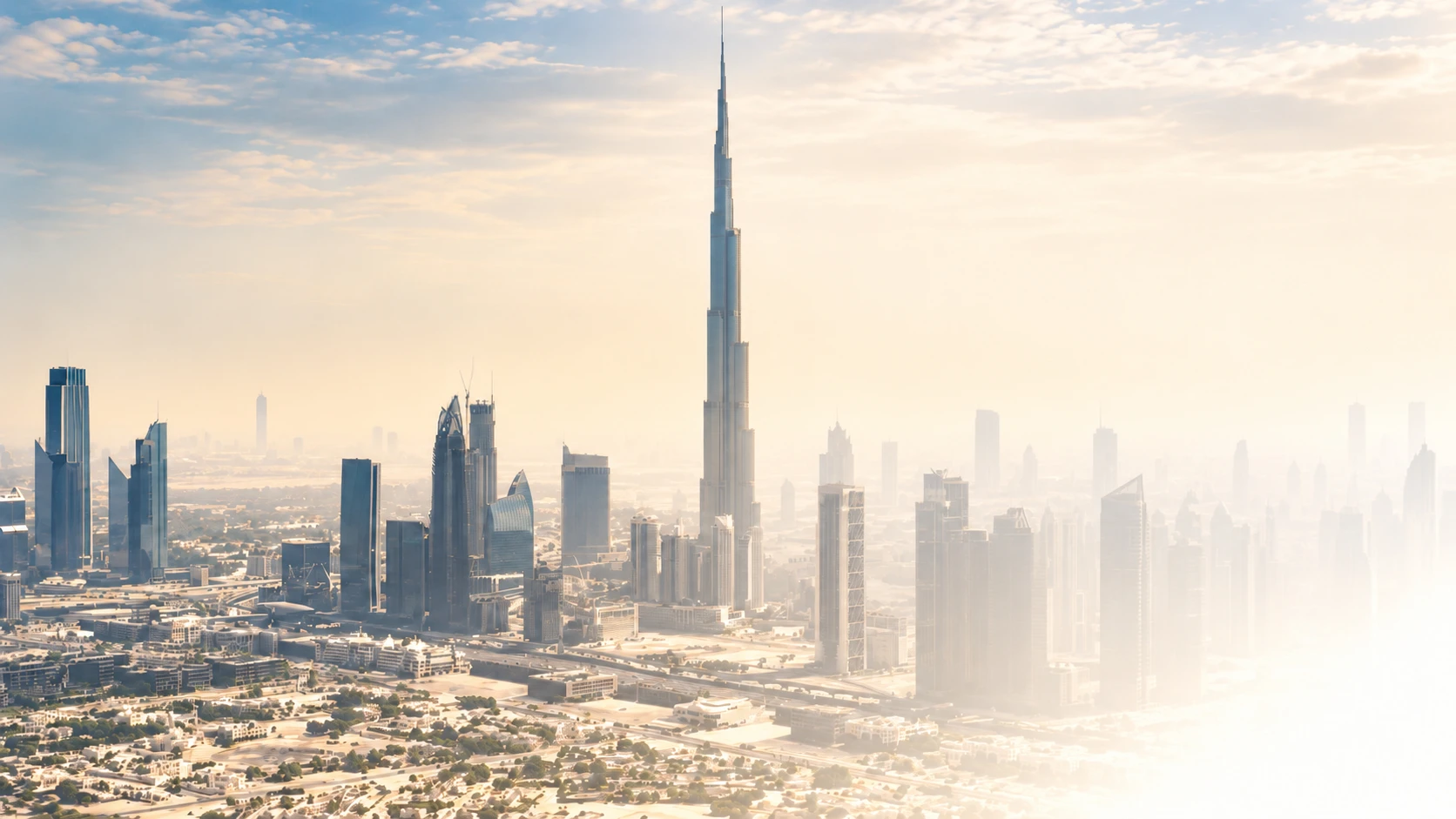
Dubai stands out with the highest rental yields in this comparison, ranging from 6-10% depending on property type and location. This exceptional return profile has made Dubai a magnet for international property investors seeking immediate income generation.
Dubai's remarkable yields are driven by a number of variables. Global competition for investment opportunities is created by the emirate's freehold property market, which is accessible to foreign buyers. Net returns are increased when there are no property taxes or income taxes on rental revenue. Particularly for flats in well-known neighborhoods like Dubai Marina, Downtown Dubai, and Jumeirah Lake Towers, the city's transient expat population generates constant demand for rentals.
Cycles of boom and correction define Dubai's real estate industry, providing opportunities for astute investors to enter during slower times. Oil prices, regional economic conditions, and international perceptions of developing markets continue to have a significant impact on the market. Nonetheless, strong fundamentals are maintained by Dubai's ongoing infrastructure investments, hosting of international events, and attempts to diversify its economy beyond oil.
The higher end of the yield spectrum (approaching 10%) typically involves smaller apartments or properties in secondary locations, while premium villas and apartments in prime areas deliver yields closer to 6-7%. This range allows investors to calibrate their risk-return profile according to preferences.
Making Strategic Investment Decisions
Investors need to consider more than just yield percentages while assessing these markets. Rental income, possible capital growth, currency issues, tax ramifications, and risk elements are all included in total return. In the end, a 4% yield in a steady, rising market can offer higher total returns than a 10% yield in a turbulent market.
Think about your goals, risk tolerance, and investing horizon. Are you want to build wealth over the long term or earn money right away? Which is more important to you: highest returns or stability? Do you require hands-off investments or are you able to actively manage homes abroad?
The international real estate industry provides a wide range of opportunities with varying yields. By being aware of these choices, investors may navigate the challenges of foreign real estate investment and create portfolios that are in line with their financial objectives.
Popular Blogs
Yas Island’s AED 12B Expansion: Investor

The New Dubai: 10 Projects to Watch whic
ADGM’s $2.1 Trillion: Abu Dhabi Property
Dubai vs London vs Singapore: 2026 ROI

5 Developers Offering Off-Plan Mortgages