How Etihad Rail Is Changing Dubai's Property Market
June 19, 2026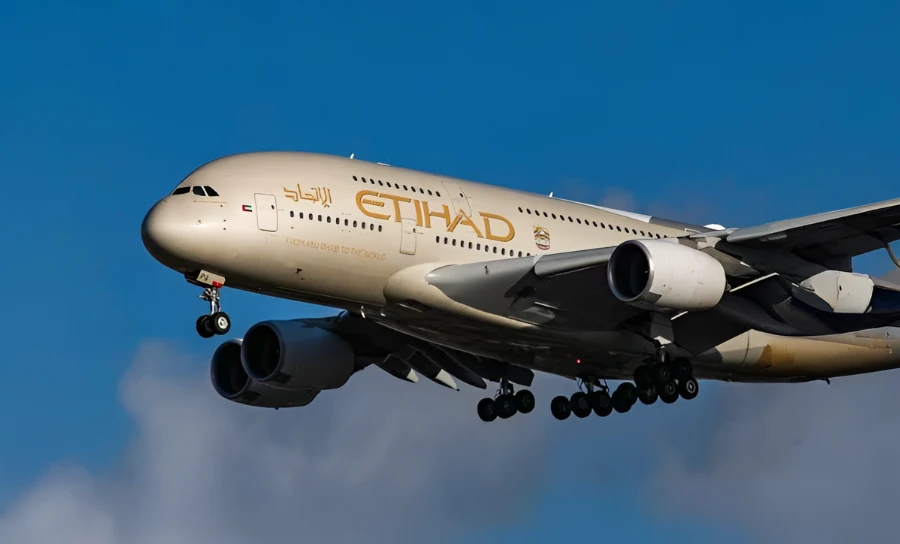
Dubai has a long history of turning new infrastructure into higher property prices. This happened when the Dubai Metro opened in 2009. It happened again when Sheikh Zayed Road was widened. Now a much bigger project is about to do the same thing. It is called Etihad Rail, and passenger trains are set to start running in 2026.
This is not just a guess about the future. Property values near the planned stations are already rising. The real question for buyers and investors is simple. Will you get in early, or will you wait until everyone else already knows?
What Is Etihad Rail?
Etihad Rail is the national railway of the UAE. It stretches about 900 kilometers and will connect all seven emirates, from Al Sila in the west to Fujairah in the east. In total, it will link 11 cities across the country.
Freight trains are already running on parts of the network. What people are excited about now is the passenger service, which is expected to start in 2026. Sheikh Mohammed bin Rashid Al Maktoum even rode a passenger train from Dubai to Fujairah in August 2025. This trip showed that the leadership is fully behind the project and that the timeline is on track.
Once it is fully running, the railway is expected to carry around 36.5 million passengers every year by 2030. That is a huge number of people moving regularly between cities, and it is exactly the kind of steady demand that changes how people value homes near the stations.
Why Infrastructure Always Raises Property Prices
There is a simple pattern that keeps repeating in Dubai. New transport links make an area easier to reach. Easier access brings more people who want to live there. More demand pushes prices up.
We saw this with the Metro. Homes within walking distance of Red Line stations gained between 15 and 25 percent in value in the years after it opened in 2009. The same thing happened along upgraded sections of Sheikh Zayed Road.
Etihad Rail follows the same pattern, but on a much bigger scale. The Metro served one city. This new railway connects the whole nation.
Where the Impact Is Already Showing
Some communities are already seeing real changes in price and rent because of their location near the rail route.
Dubai Festival City has seen the strongest jump so far, with values rising by about 18 percent and rents climbing by 23 percent over nine months. That kind of growth in both price and rent suggests real people want to live there, not just investors hoping to flip a property.
Dubai South is another major area to watch. It benefits from more than just the railway. It also sits close to Al Maktoum International Airport and new highway upgrades. Rents there have grown by up to 10 percent recently, and many see it as a long term opportunity rather than a quick win.
Dubai Investments Park has also grown by around 17 percent in value. Al Furjan is becoming a popular mid range choice for families who want good access to business areas without paying premium prices. Jumeirah Village Circle remains the most active community in terms of sheer number of sales, leading the whole city with thousands of transactions in a single quarter. Al Jaddaf, which already has a Metro station, could see prices for larger apartments rise by another 5 to 10 percent once the rail connection is confirmed there too.
What the Numbers Tell Us
On average, homes near confirmed Etihad Rail stations have gained about 13 percent in value over the past nine months. Rents near these stations have climbed by close to 9 percent, and some analysts believe rental rates could grow another 10 to 15 percent over the next one to two years.
This tells us something important. People are not waiting for the trains to actually start running before they act. They are buying and renting based on what they expect will happen once the railway opens. By the time it is fully operational, much of the price increase may have already happened.
The Bigger Picture Across the UAE
Etihad Rail does not only affect Dubai. It also connects places like Ras Al Khaimah, Fujairah, Sharjah, and parts of Abu Dhabi that were once seen as too far from Dubai's job centers. As these areas become easier to reach, more people may choose to live there while still working in Dubai.
This does not weaken Dubai's market. In fact, it strengthens it. Dubai stays at the center of a much bigger and better connected country, and that wider demand helps support the value of its own established neighborhoods.
Things to Think About Before Investing
It is worth being careful about a few things. Not every building near a station will benefit equally. The exact unit, floor, and building quality still matter a lot. A flat that requires a long walk to the station will likely see smaller gains than one right next to the entrance.
Also keep in mind that big infrastructure projects can face delays. The 2026 launch date is the current plan, but large national projects sometimes take longer than expected. It is smarter to focus on the long term shift in connectivity rather than betting everything on one exact date.
Lastly, Dubai is expected to add more than 250,000 new homes between 2026 and 2027. Even with a railway boosting demand, basic supply and demand still apply. Areas with strong rail access but limited future supply usually offer the strongest investment case.
Final Thoughts
Every major piece of infrastructure in Dubai's history, from the Metro to the Palm to the airport expansion, has reshaped property values for those who saw it coming early. Etihad Rail looks set to follow the same path, but on a national scale.
For people thinking about buying or renting in Dubai, the key takeaway is this. Areas that were once valued only for their current location are now being reconsidered based on where they will sit once the railway is running. That is a different kind of value altogether, and the window to act before the wider market catches on is still open, but it will not stay open forever.
This article is for general information only. Always do your own research and speak with a professional advisor before making any property investment decision.
Popular Blogs
Why People Choose to Buy Property in Dub
Your Guide to the UAE Golden Visa in 202
Cash vs Mortgage: Best Way to Buy in Dub

Dubai launches first home ownership plan

How Dubai’s 1% Payment Plans Work: Guide