Dubai Property Prices in 2026: Will the Market Rise or Level Off?
July 15, 2026
Anyone watching the Dubai property scene in 2026 is asking the same question. Will values keep climbing, or is the market finally settling down? The honest answer is that both things are happening at once, just in different corners of the city. Prime neighbourhoods and family favourite communities are still ascending in value, while areas flooded with new apartment towers are giving buyers more room to negotiate. Location, not headlines, is what will decide your outcome this year.
A Market That Has Grown Up
Dubai entered 2026 with real momentum, but buyers are far more careful than they were a few years ago, and that is a good sign. After the rapid run between 2022 and 2025, the market has matured. People are no longer paying top price just because a project looks attractive in a brochure.
Early figures from the year back this up. The Dubai Land Department reported well over AED 250 billion in transactions during the first quarter alone, a sharp increase compared with the same period the year before. Tens of thousands of deals closed in those three months too, showing that demand is still very much alive. Buyers simply want more proof before they commit, comparing rental income against service charges, checking how much competing supply is coming to a neighbourhood, and looking closely at a developer's delivery history before signing anything.
Why Some Areas Keep Climbing
Population growth is one of the biggest forces keeping certain segments strong. Dubai passed the four million resident pedestal not long ago, and that steady inflow of professionals and families keeps demand alive for well-placed homes near schools, offices, hospitals, and transport links.
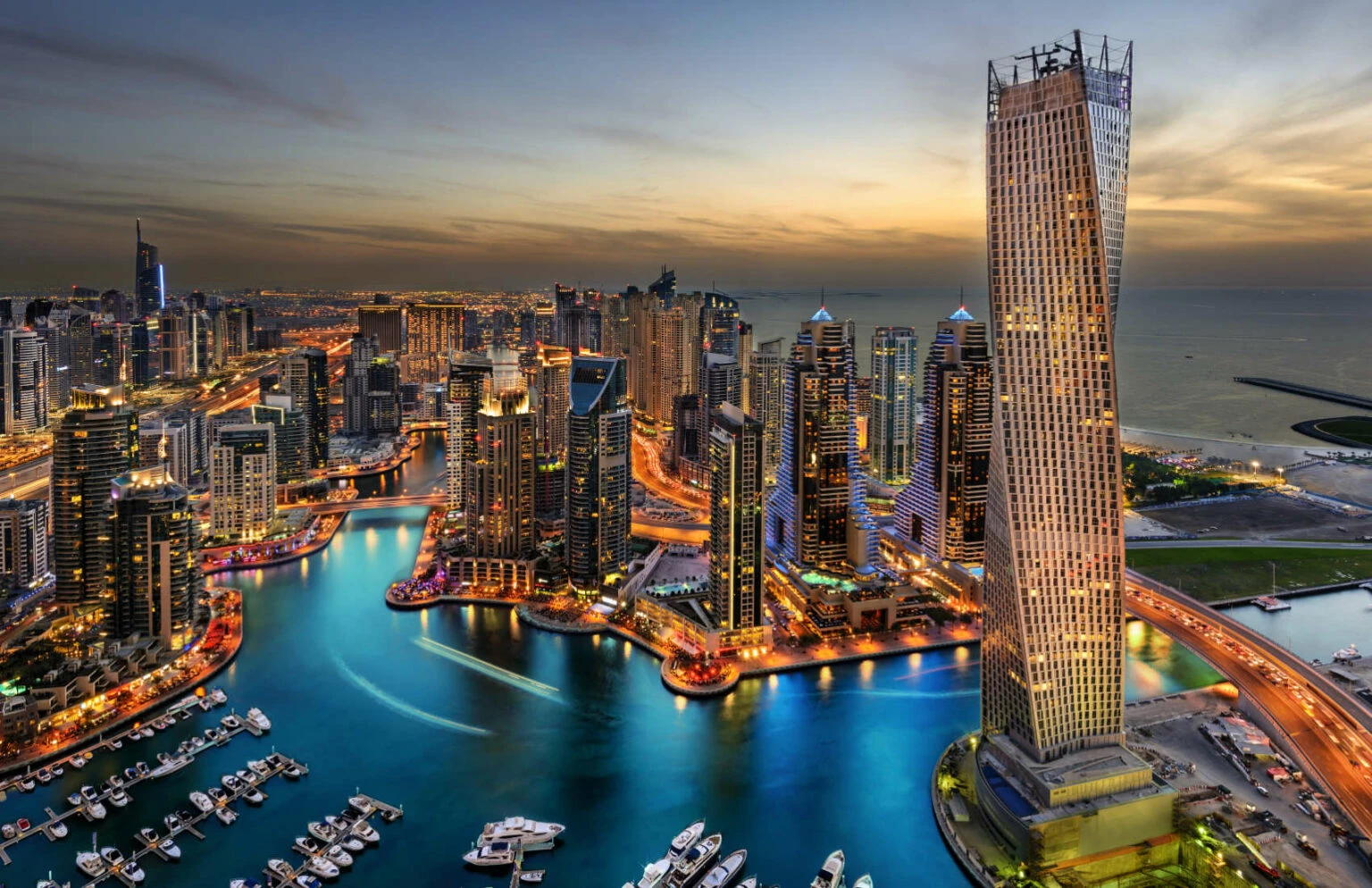
Land in the most desirable parts of the city is simply limited. Neighbourhoods such as Downtown, Dubai Marina, Palm Jumeirah, Dubai Hills Estate, and the older villa communities cannot expand the way newer districts can. That scarcity tends to protect values even when the broader market slows. It does not mean every apartment in these areas deserves a premium price, since layout, building age, and running costs still matter, but scarcity gives these locations a natural cushion.
Dubai's long term economic planning also plays a role. The city's D33 agenda aims to roughly double the size of the economy by 2033 and push Dubai toward the top tier of global cities to live and work in. That kind of long-range ambition supports confidence in housing and continued migration, even though it does not eliminate the risk of overpaying for an individual unit.
Why Other Pockets Are Cooling
The main reason for caution is supply. Analysts have pointed to roughly 210,000 new units expected to reach the market over a two-year stretch, a pace well above historical norms. When several similar towers hand over in the same district within a short window, landlords end up competing harder on rent, furnishing packages, and flexible payment terms, which naturally slows price growth.
Buyers have also become sharper. They are weighing ready homes against off plan launches, checking whether generous payment plans are hiding an inflated purchase price, and asking how liquid resale will be. This disciplined behaviour can flatten growth in communities where developers priced their launches too aggressively.
Villas Versus Apartments
Villas and townhouses appear positioned to outperform apartments this year. Families continue to prioritize space, privacy, and access to community amenities, and the supply of larger family homes remains tight in established neighbourhoods. Some forecasts point to villa values growing well into the double digits, noticeably ahead of apartment growth.
Apartments are a more mixed picture. A well-located unit near a metro station or business hub can still hold its value nicely, while a similar apartment in a tower heavy district facing a wave of handovers may need discounting to attract tenants or buyers. Judging apartments as one single category no longer makes sense; the story now depends heavily on the specific building and block.
Off Plan or Ready, Which Makes More Sense
Off plan property in branded and waterfront projects is still attracting strong interest, but buyers need more discipline than before. It is worth comparing a new launch price against nearby ready homes with proven rental income. If the off-plan premium cannot be explained by location, developer quality, or genuine scarcity, it is worth questioning.
Ready homes offer more certainty. Buyers can see actual rent rolls, real service charges, and genuine resale comparisons rather than projections. That clarity is appealing to investors who want income now rather than waiting through a construction cycle, especially since some 2026 handovers are reportedly slipping into 2027 due to supply chain and financing pressures.
Should You Buy Now or Wait
There is no single right answer for every buyer. It makes sense to move forward if you plan to hold for five to ten years, you have found a property priced below fair market value, genuine rental demand already exists, and the developer has a track record of delivering on time.
It may be smarter to wait or negotiate harder if the property is priced above comparable ready homes nearby, the neighbourhood has a large supply pipeline still to come, or you are relying on a quick resale for profit rather than long term value.
The Bottom Line
A citywide crash does not look like the most likely outcome for 2026. A more realistic picture is moderate growth in strong, supply constrained locations, a levelling off in maturing communities, and possible price corrections in pockets that were overbuilt or overpriced. For buyers and investors alike, this is a year that rewards research over speed. Compare the entry price, check the real supply pipeline for that specific pocket, and think about who will want to rent or buy the property from you later. The city's growth story remains intact, but the winning move in 2026 belongs to whoever studies the neighbourhood, not just the skyline.
Popular Blogs
Why People Choose to Buy Property in Dub

Your Guide to the UAE Golden Visa in 202
Cash vs Mortgage: Best Way to Buy in Dub

Dubai launches first home ownership plan

How Dubai’s 1% Payment Plans Work: Guide