Dubai Just Quietly Rewired How the City Moves
July 3, 2026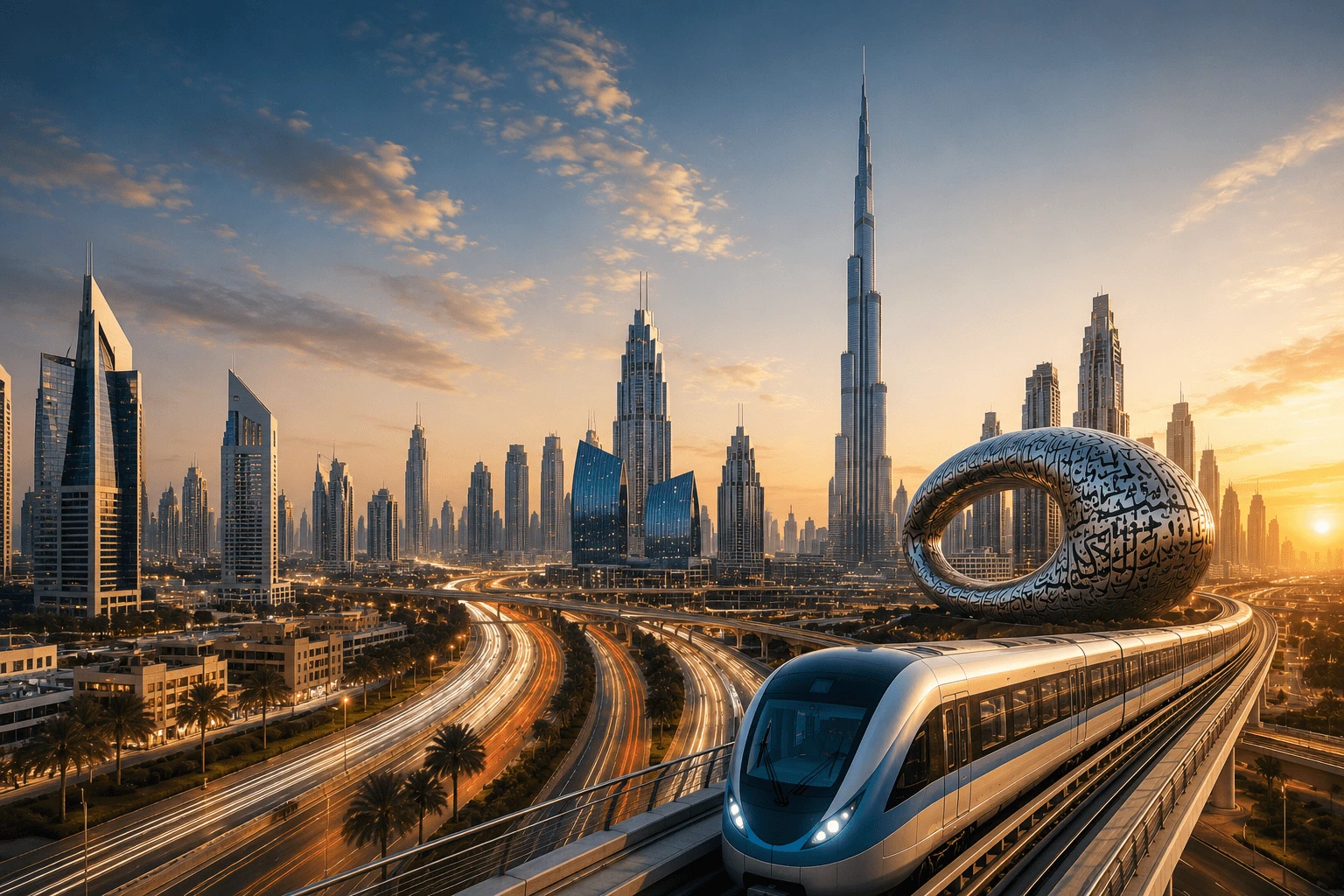
Imagine cutting your daily commute by a third without changing anything about your car, your route, or your schedule. That is essentially what Dubai's Roads and Transport Authority is offering hundreds of thousands of residents through a newly approved infrastructure plan. The project represents a 550 million dollar investment across six growth areas of the city, and its details reveal a clear strategy for how Dubai plans to manage its expanding population over the coming years.
The Scale of the Investment
A 550 million dollar commitment to road infrastructure is a significant figure, even by Dubai's standards for large scale development. What makes this investment particularly notable is how targeted it is. Rather than spreading funds thinly across the entire city, the plan focuses on six specific growth areas, each receiving upgrades designed to solve a particular bottleneck or capacity issue.
This targeted approach suggests careful planning based on where congestion is currently most severe or where future growth is expected to place the greatest strain on existing infrastructure. By focusing resources in this way, the RTA appears to be aiming for maximum impact per dollar spent, rather than a broad but shallow improvement across the entire road network.
Al Khail Road and the New Bridges
One of the centerpieces of the plan involves Al Khail Road, which will gain five new bridges. Bridges are often used to separate traffic flows at busy intersections, allowing vehicles to pass over or under each other rather than stopping at traffic signals. The addition of five new bridges along this corridor is expected to cut travel time by up to 30 percent.
This kind of improvement tends to have a compounding effect. As travel time drops, more residents may be willing to live slightly further from their workplace, since the commute becomes less of a burden. This can, in turn, support demand for housing along the corridor and in nearby communities that benefit from improved access.
Doubling Capacity on Umm Suqeim Street
Umm Suqeim Street will see its capacity doubled, reaching 16,000 vehicles per hour. This is a substantial increase and reflects the growing demand placed on this route by residents living in and around the area. Doubling capacity on an existing street, rather than building an entirely new road, is often a more efficient use of resources, since it makes use of existing land and infrastructure while significantly improving throughput.
For residents in the surrounding communities, this upgrade should translate into smoother daily travel, particularly during peak hours when congestion is typically at its worst.
Connecting Dubai Harbour to Sheikh Zayed Road
Perhaps one of the most dramatic improvements in the plan involves the connection between Dubai Harbour and Sheikh Zayed Road. Currently, this route takes around 12 minutes to drive. Under the new plan, that same journey is expected to shrink to just 3 minutes.
A reduction of this size is significant not only for daily commuters but also for the broader appeal of Dubai Harbour as a residential and lifestyle destination. Waterfront communities often depend heavily on convenient access to major roads, since residents still need to travel to work, school, and other parts of the city regularly. A faster connection to Sheikh Zayed Road could make Dubai Harbour considerably more attractive to both residents and investors.
Hessa Street and the Future of Robotaxis
Among all the details in the plan, the transformation of Hessa Street may be the most forward looking. By 2026, Hessa Street is set to become Dubai's first public robotaxi corridor. This is a clear signal of where the city sees transportation heading in the near future.
Robotaxis, or self driving taxis, represent a significant shift in how urban transport can function. Establishing a dedicated corridor for this technology allows the city to test and refine autonomous vehicle operations in a controlled but real world environment. If successful, this could pave the way for broader adoption of autonomous transport across other parts of the city in the years that follow.
This move also reinforces Dubai's broader reputation for embracing new technology early, often positioning itself as a testing ground for innovations that other cities may adopt only years later.
Communities Set to Benefit
The plan is expected to benefit several key communities directly, including JVC, Al Barsha, Motor City, and Arabian Ranches III. These areas represent a mix of established and growing residential communities that are popular among families and long term residents.
Improved infrastructure in these areas is likely to have two main effects. The first is a direct improvement in daily life, since residents will spend less time commuting and more time on other activities. The second is a potential increase in long term property value, since easier access to major roads and reduced congestion are factors that many buyers and renters consider when choosing where to live.
A City Building Ahead of Demand
This infrastructure plan fits into a broader pattern that has defined Dubai's growth strategy for years. Rather than waiting for congestion or capacity issues to become severe, the city consistently invests in upgrades ahead of anticipated demand. This proactive approach helps ensure that infrastructure keeps pace with the city's rapid population growth, rather than lagging behind it.
The inclusion of forward looking elements, such as the Hessa Street robotaxi corridor, also shows that Dubai's infrastructure planning is not limited to solving current problems. It is also actively preparing for technologies and transport models that are expected to become more common in the future.
Final Thoughts
The 550 million dollar investment across six growth areas represents more than a series of individual road upgrades. It reflects a coordinated strategy to reduce congestion, improve daily life for residents, and prepare the city for future transport technology. From the new bridges on Al Khail Road to the robotaxi corridor on Hessa Street, each element of the plan addresses a specific need while contributing to a broader vision of how Dubai intends to keep moving as it continues to grow.
Popular Blogs
Why People Choose to Buy Property in Dub

Your Guide to the UAE Golden Visa in 202

Cash vs Mortgage: Best Way to Buy in Dub

Dubai launches first home ownership plan

How Dubai’s 1% Payment Plans Work: Guide