Can You Buy a Second Property in Dubai While Still Paying a Mortgage?
May 1, 2026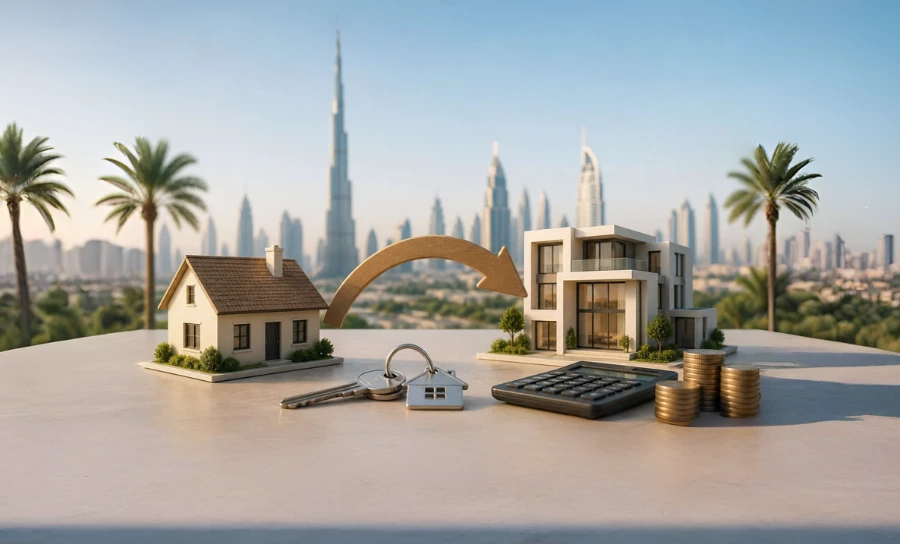
The short answer is yes, but only if your finances are in the right shape. Here's everything you need to know before you make that move.
So you've bought your first property in Dubai. Maybe you're already seeing solid rental returns, or maybe you're just ready to grow your portfolio. Either way, the idea of buying a second property is starting to feel real.
But here's the question most people get stuck on: Can you actually buy a second property in Dubai while you're still paying off your first mortgage?
Yes, you can. The bank doesn't automatically say no just because you have an existing loan. What it does do is look very carefully at whether you can handle both. And that's where most buyers either get approved quickly, or hit a wall.
Let's walk through exactly what you need to know.
What the Bank Actually Looks At
When you apply for a second property mortgage in Dubai, the lender isn't looking at your new property in isolation. It's looking at your entire financial picture.
That means your income, your existing mortgage repayments, your other monthly expenses, your credit history, and how much cash you can put in upfront. All of it goes into the review.
To put it simply: your first mortgage becomes just another liability on the sheet. If there's still enough room in your monthly cash flow after that, the bank will consider the new application.
This is why buyers who want to buy a second property in Dubai while paying a mortgage should sort out their finances before they even start looking at listings.
The Down Payment Gets Bigger
Here's something that catches a lot of people off guard.
When you bought your first property, the minimum down payment was likely around 20%. For a second property, the rules change. The LTV (loan-to-value) ratio for a second property in the UAE is lower, which means the bank funds a smaller portion of the purchase price.
In practice, you may need to bring in 35% or more as your own contribution, depending on the lender and property type. On top of that, you'll have transfer fees, registration costs, agent fees, and other expenses to factor in.
So before you fall in love with a unit, make sure you know exactly how much cash you'll need on the table.
Your Four Main Financing Options
There's no single path to financing a second property. The right option depends on your income, savings, and what kind of property you're buying.
1. Traditional Bank Mortgage The most straightforward route. Works best if your income is stable, your debts are under control, and you can meet the higher equity requirement. You get a clear approval framework and defined terms before transfer.
2. Developer Payment Plans Some buyers skip the bank entirely, at least at first, and go with a developer's own payment structure. This can work well for off-plan properties in Dubai, where staged payments give you more breathing room over time.
3. Rental Income Strategy If your first property is already generating rent, that income can support your second purchase. Just be realistic. Use conservative estimates, not the optimistic numbers from a brochure. Vacancy periods happen.
4. Equity Release from Your First Property If your first property has grown in value, you may be able to refinance it and use the released equity toward the second purchase. This is a smart way to invest in a second property in Dubai without draining your savings entirely.
What You Need to Qualify
Lenders look at a few key things when reviewing a second home mortgage in Dubai:
Income and debt ratio: Your monthly income needs to comfortably cover both repayments. The more existing debt you carry, the harder this becomes.
Credit history: Late payments, high credit card balances, or messy bank statements will all work against you. Clean conduct over time is the best preparation.
Job stability: A long, consistent employment history is a green flag for any lender. Recent job changes or gaps in income can slow things down.
Available cash: Beyond the down payment, you need enough liquidity to cover all the costs of the transaction, and still have a buffer left over.
Get your documents organized early: salary certificates, bank statements, ID, and details of your current loan.
How to Choose the Right Property
Once your finances are in order, then it's time to look at what you're actually buying.
For rental income, areas like Dubai Marina, Business Bay, and Jumeirah Village Circle consistently perform well. Tenant demand is strong and the market is liquid, meaning you can also exit more easily if needed.
For family use or long-term personal value, Dubai Hills Estate and Arabian Ranches are popular choices, good schools nearby, spacious layouts, and a strong residential community feel.
Whatever you choose, make sure the property fits your financing structure and your plan for holding it. Don't buy based on hype or a discounted launch price alone.
Common Mistakes to Avoid
These are the ones that hurt buyers the most:
Overestimating rental income (always use a conservative figure)
Not checking mortgage eligibility before you start searching
Ignoring the full cost: fees, charges, and maintenance add up fast
Buying in a location based on marketing rather than real demand
Going in without enough cash reserves for unexpected gaps
The buyers who do this well are the ones who treat it like a business decision, not just a property purchase.
Final Thoughts
Buying a second property in Dubai while your first mortgage is still running is absolutely possible. But it requires more preparation than the first time around. Higher down payments, stricter lender reviews, and more moving parts make it a deal where the planning matters just as much as the property itself.
Get your financial picture clear. Talk to your bank early. Understand your options. And make sure the property you choose can actually do the job you're buying it to do, whether that's generating income, housing your family, or building long-term wealth.
Done right, a second property in Dubai can be one of the smartest financial decisions you make. Done without proper planning, it becomes a strain you don't need to take on.
The difference is in the preparation.
Popular Blogs
Why People Choose to Buy Property in Dub

Your Guide to the UAE Golden Visa in 202
Cash vs Mortgage: Best Way to Buy in Dub

Dubai launches first home ownership plan

How Dubai’s 1% Payment Plans Work: Guide