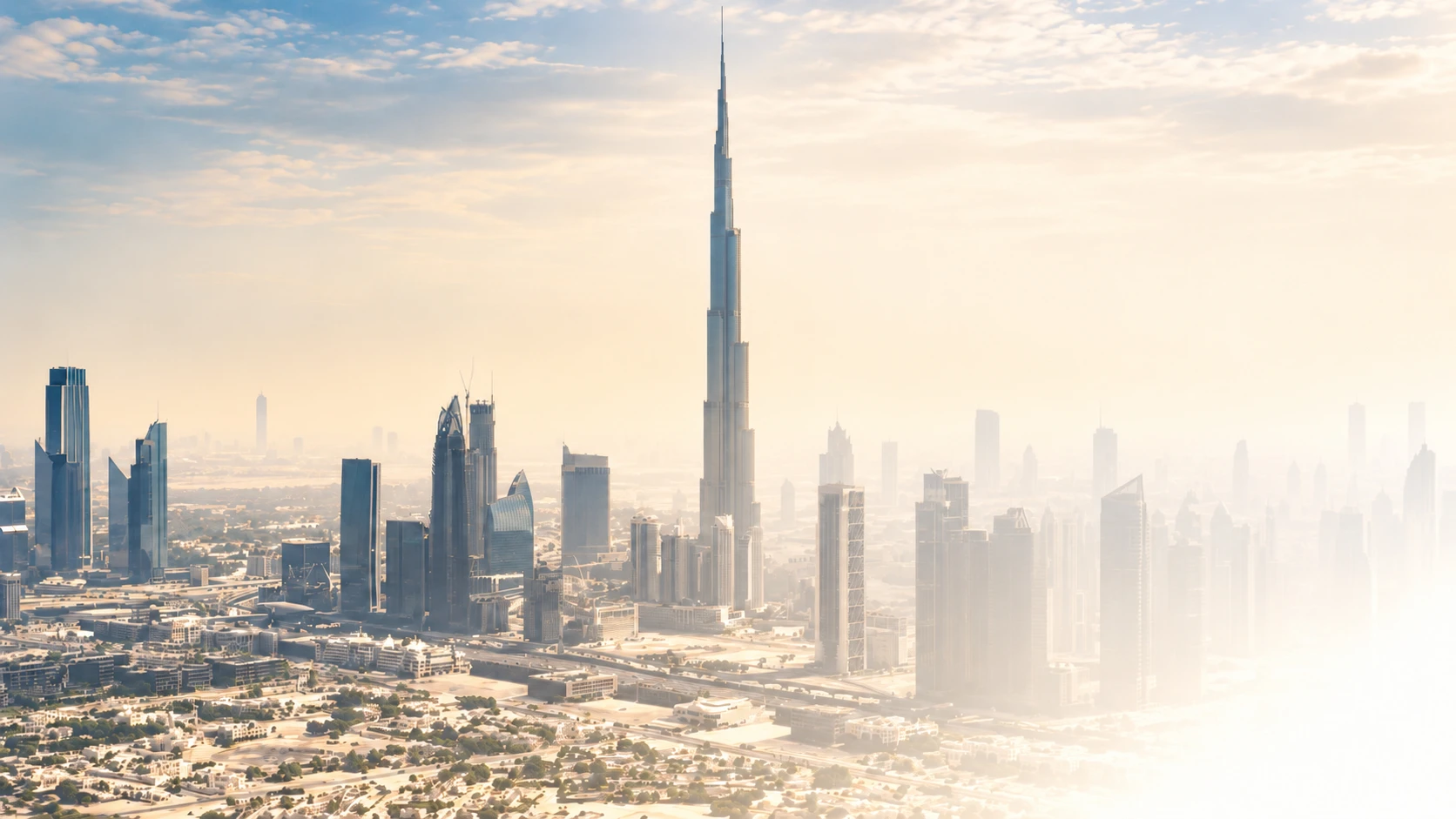
Dubai's Property Map Is About To Change
November 10, 2026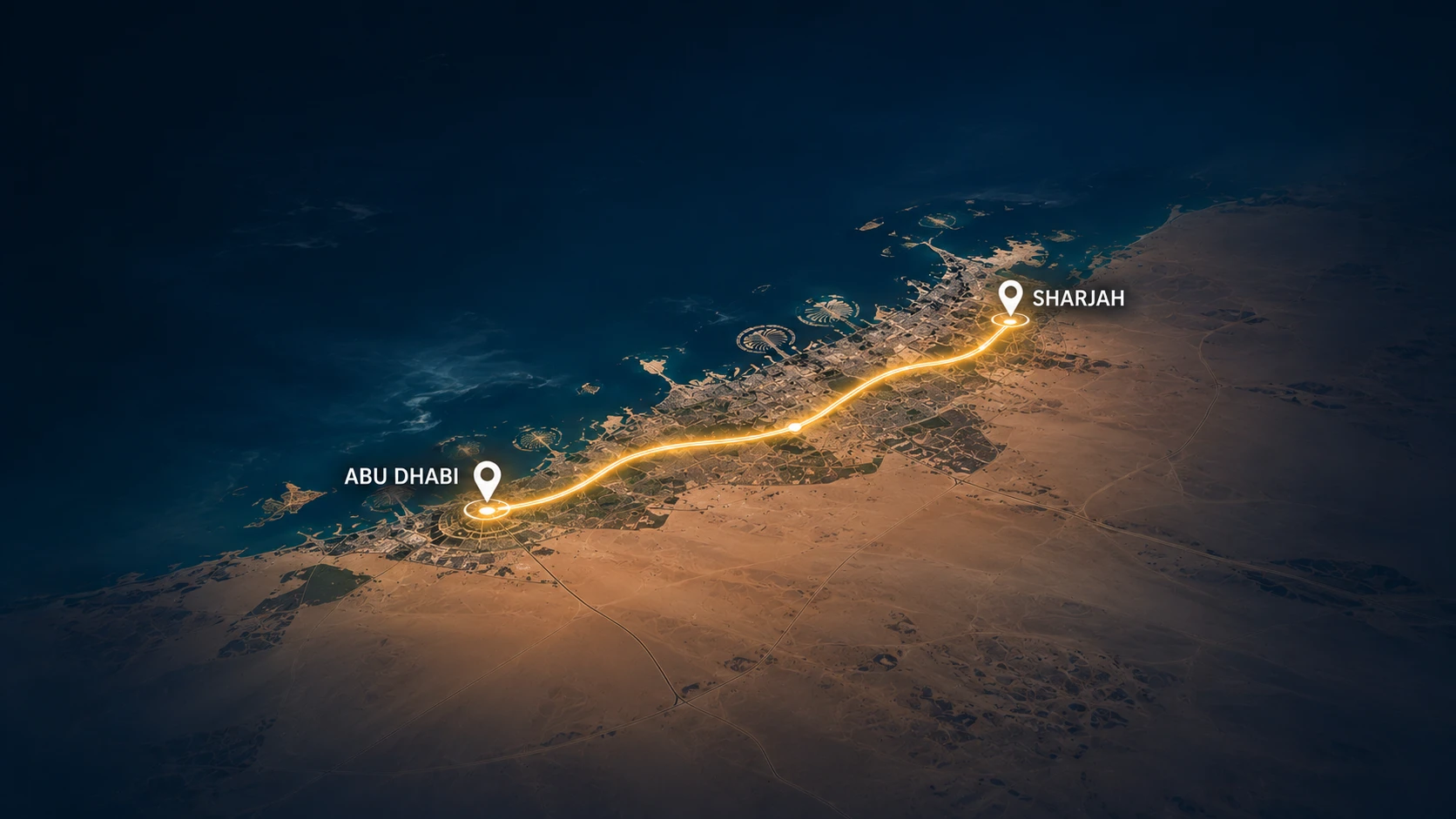
Dubai Communities just became closer.
Dubai's next major road project could change how residents think about distance, and property buyers should be paying attention.
Dubai has approved the New Fourth Corridor, an approximately 80-kilometre highway connecting Al Faya Road in Abu Dhabi to Al Shanouf Road in Sharjah. The project will feature 12 lanes, 72 bridges and 17 tunnels, with construction planned across two phases. The first phase will cover approximately 30 kilometres, connecting Sharjah's Al Shanouf Road to Dubai–Al Ain Road. It aims to reduce a 35-minute journey to just 14 minutes, serving around 600,000 people.
The second phase will extend another 50 kilometres towards Abu Dhabi. It is expected to cut a 50-minute journey to 24 minutes and serve approximately 3.1 million people. More importantly, the corridor will connect with Al Maktoum International Airport and Etihad Rail, strengthening access to two major future transport and logistics hubs.
But this isn't the only connectivity upgrade changing how Dubai moves.
On 30 October 2026, the final bridge of the World Trade Centre Roundabout Development Project opened. The 1-kilometre bridge connects Al Majlis Street to 2 December Street, reducing the journey from six minutes to just one. The wider project includes five bridges spanning a combined 5 kilometres.
So, what does this mean for real estate?
In Dubai, a property's location cannot be judged by kilometres alone. Two communities may appear equally distant from a business district on a map, but actual driving time can make one significantly more convenient than the other. This is where infrastructure becomes interesting for property buyers. Improved road access can change the practical appeal of an area, particularly for residents commuting to work, travelling to airports or accessing major commercial districts.
The New Fourth Corridor deserves particular attention because of its connection to Al Maktoum International Airport. As the airport and surrounding development zones expand, accessibility could become an increasingly important factor when evaluating nearby residential communities.
However, better roads do not automatically mean higher property prices. Buyers still need to consider upcoming supply, developer credibility, rental demand and how close a property actually sits to the new connectivity routes.
At Treÿsta, we believe the smartest property decisions look beyond today's location map. They consider where infrastructure is taking the city next.
Popular Blogs
Yas Island’s AED 12B Expansion: Investor
The New Dubai: 10 Projects to Watch
ADGM’s $2.1 Trillion: Abu Dhabi Property
Dubai vs London vs Singapore: 2026 ROI C

5 Developers Offering Off-Plan Mortgages