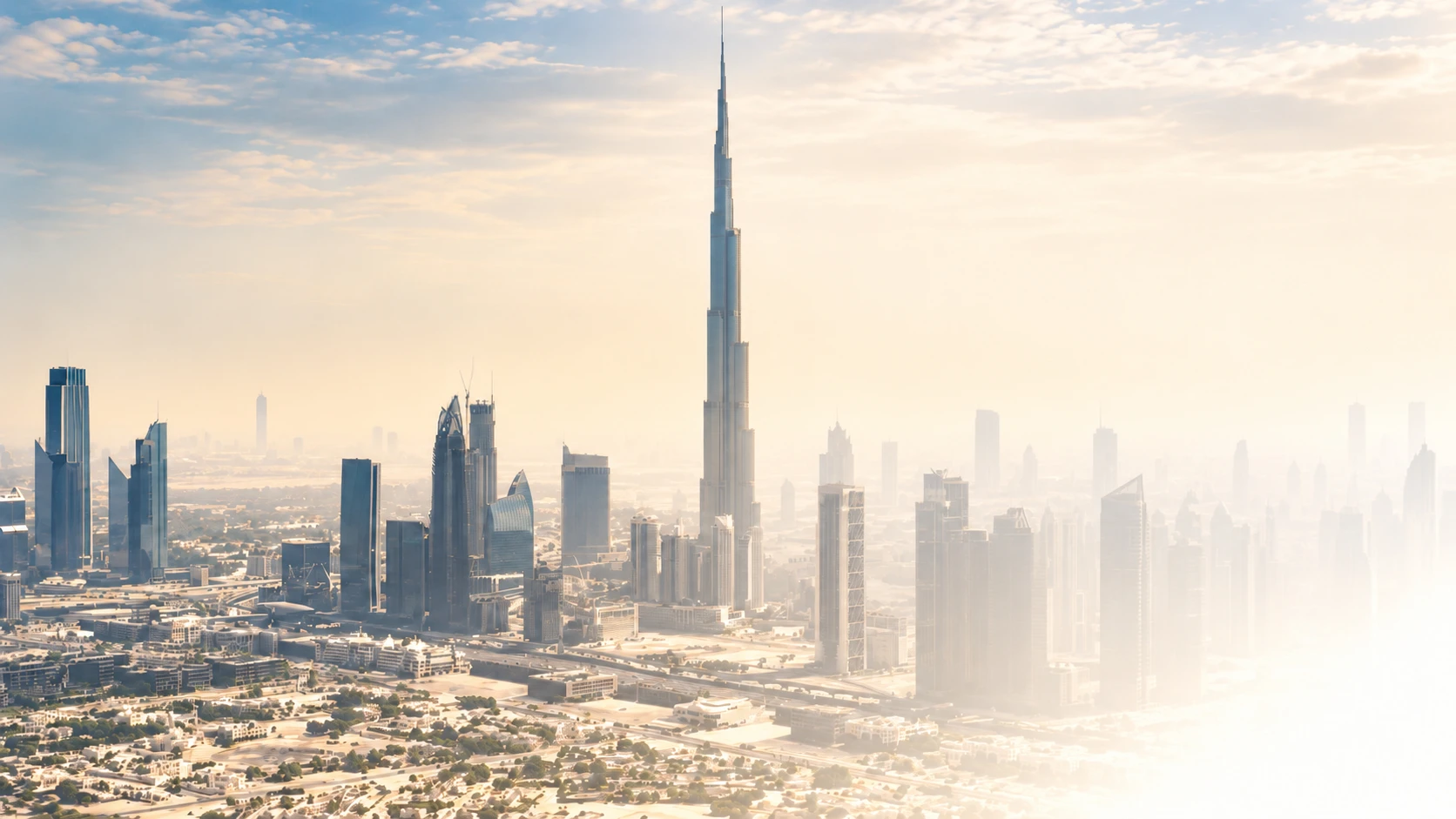
Dubai’s Billion-Dirham Road Upgrade
September 25, 2026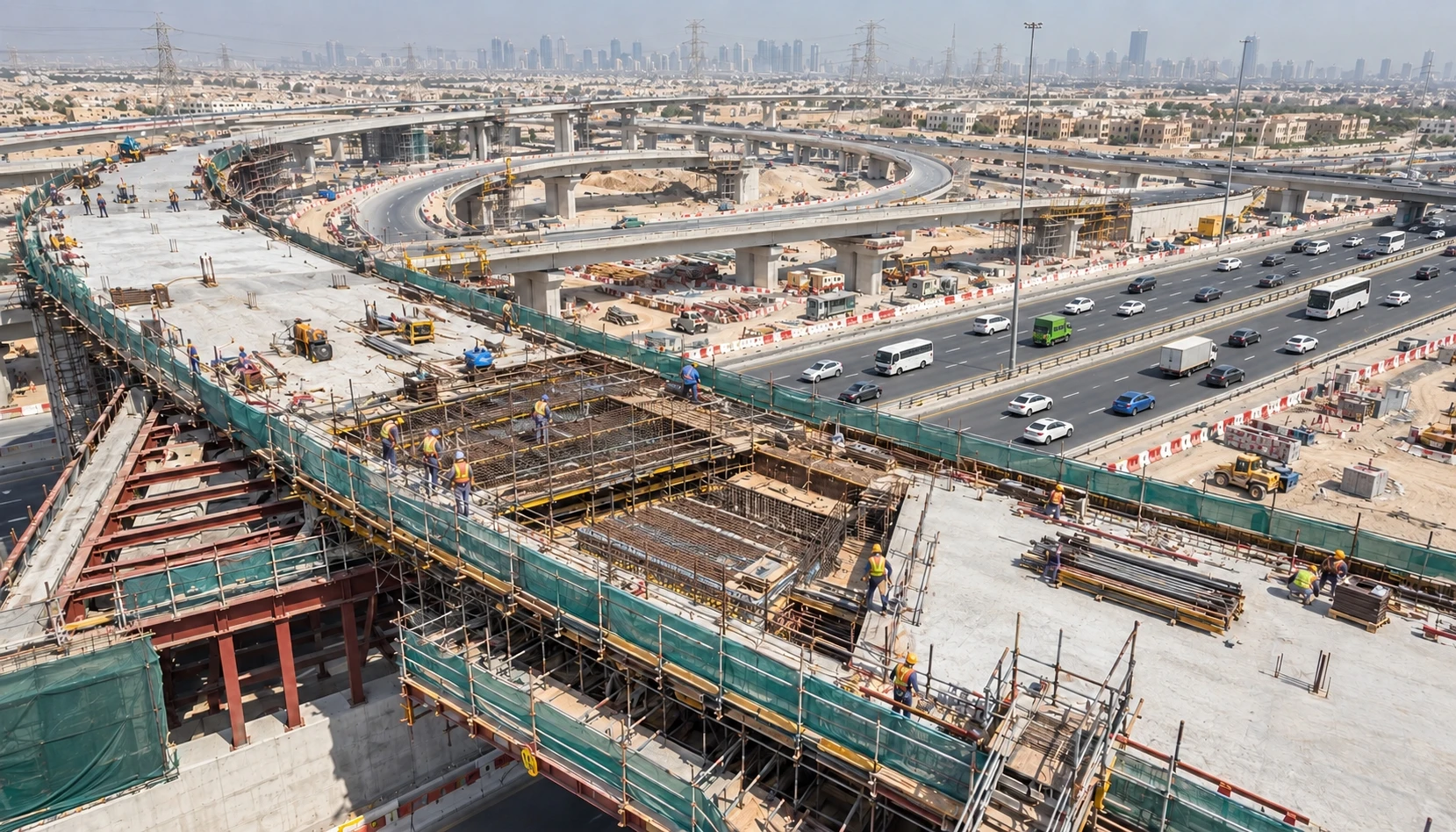
Dubai's Road transformation: What Billions in Infrastructure Spending means for the City
Dubai’s growth story is often told through new towers, master communities and record-breaking real estate transactions. But behind that growth is another major factor: infrastructure. Across the city, Dubai’s Roads and Transport Authority (RTA) has been expanding highways, upgrading major intersections, building bridges and creating new strategic corridors designed to reduce travel times and improve connectivity between established districts and fast-growing communities. For property owners and investors, these projects matter because accessibility can influence how practical an area feels to residents, how quickly new districts mature and how different communities connect to Dubai’s employment, leisure and business hubs.
City Dubai's Road Network Is Being Upgraded at Scale
The current infrastructure programme is not centred on one road. Improvements are taking place across several important corridors, including Al Khail Road, Hessa Street, Oud Metha and Al Asayel Streets, Dubai Harbour access, the World Trade Centre area and the new Latifa bint Hamdan Corridor. One of the clearest examples is the Al Khail Road Development Project. RTA completed upgrades across seven locations, including five new bridges and road widening works designed to improve traffic flow along one of Dubai’s most important north-south routes. For real estate, the significance goes beyond shorter journeys. Al Khail Road connects or supports access to numerous residential and commercial districts, meaning improvements can affect mobility across a much wider part of the city.
Hessa Street: A Major Upgrade for Growing Residential Communities
Hessa Street has become increasingly important as communities around JVC, Barsha, Jumeirah Lakes Towers and surrounding districts have expanded. The first phase widened Hessa Street and upgraded major intersections between Sheikh Zayed Road and Al Khail Road. RTA says the completed project doubled road capacity, while travel time across the corridor fell from around 15 minutes to four minutes. The areas served are expected to have a population exceeding 640,000 by 2030. Phase II is also underway, extending the improvements towards Sheikh Mohammed bin Zayed Road. RTA expects this phase to increase capacity and substantially reduce journey times while serving communities including JVC, Arjan, Dubai Science Park, Al Barsha South, JLT, Jumeirah Islands, Barsha Heights, The Greens and Emirates Hills. That matters for property because several of these locations are already established residential investment markets. Better road access does not automatically guarantee higher prices, but it can remove one of the practical objections buyers and tenants often have when comparing communities.
Dubai Harbour: Direct Access Could Change the Daily Experience
Dubai Harbour is another example where infrastructure is being built alongside real estate development. A new 1.5 km bridge connecting Sheikh Zayed Road directly with Dubai Harbour is designed with two lanes in each direction and capacity for approximately 6,000 vehicles per hour. RTA expects the connection to reduce journey time from around 12 minutes to three minutes. For waterfront communities, that type of access improvement can be particularly relevant. Buyers may be attracted by the sea views and lifestyle offering, but long-term liveability also depends on how conveniently residents can enter and leave the district. Improved connectivity therefore strengthens the practical side of the Dubai Harbour proposition alongside its residential, hospitality and leisure components.
World Trade Centre: Six Minutes Reduced to One
Infrastructure work is also reshaping some of Dubai’s older central intersections. As part of the World Trade Centre Roundabout Development Project, RTA opened a 1,000-metre bridge connecting Sheikh Zayed Road with Sheikh Khalifa bin Zayed Street. The bridge has capacity for around 3,000 vehicles per hour and has reduced the relevant journey from approximately six minutes to one minute, according to RTA. The broader project supports access to major locations including Dubai World Trade Centre, DIFC, Zabeel, Al Satwa, Al Karama and Al Jafiliya. For mature central areas, infrastructure upgrades can be just as important as roads serving new communities. They help established districts handle higher traffic volumes as surrounding residential and commercial density increases.
Oud Metha and Al Asayel: Travel Time Cut by 75%
The Oud Metha and Al Asayel Streets Development Project is another significant example. The project includes upgrades to four major intersections as well as bridges, tunnels and approximately 14 km of road improvements. RTA says the project increases capacity on Oud Metha Street and reduces travel time from around 20 minutes to five minutes, representing a 75% reduction. A three-lane bridge connecting traffic from Al Khail Road towards Al Asayel Street via Al Wasl Club Street alone has capacity for approximately 3,600 vehicles per hour. These improvements support areas including Zabeel, Al Jaddaf, Oud Metha and Umm Hurair, alongside major healthcare and community facilities.
The Next Major Corridor: Aed 2 Billion Latifa bint Hamdan Project
One of the most important upcoming additions is the Latifa bint Hamdan Corridor Development Project. RTA awarded the AED 2 billion contract in July 2026. The approximately 12 km corridor will connect several of Dubai’s most important roads, including Sheikh Zayed Road, Al Khail Road, Al Meydan Street, Sheikh Mohammed bin Zayed Road, Sheikh Zayed bin Hamdan Al Nahyan Street and Emirates Road.
The project includes:
- 7 bridges
- 8 tunnels
- around 12 km of new corridor infrastructure
- capacity of roughly 16,000 vehicles per hour
- support for more than 130,000 trips per day
RTA expects journey time between Umm Al Sheif Street and Emirates Road to fall from approximately 33 minutes to 15 minutes. The corridor is particularly relevant for property because it serves existing and future areas including Nad Al Sheba, Dubai Hills, District One, Majan, Living Legends and areas surrounding Global Village.
Why Road Infrastructure Matters for Real Estate
Road projects rarely change property markets overnight. Their influence tends to build gradually. The most important effect is often accessibility. When a neighbourhood becomes easier to reach from employment districts, schools, airports, leisure destinations or major highways, its practical appeal can improve. That can expand the pool of tenants and end users willing to consider the area. Infrastructure can also help newer communities mature. A master development may initially feel distant when road connections are limited. Once direct bridges, wider corridors and new interchanges are completed, the perceived distance between that community and the rest of Dubai can change significantly. For investors, however, infrastructure should not be considered in isolation. Entry price, future supply, developer quality, unit layout, service charges and rental demand remain equally important.
The Investor Takeaway
The bigger story is not simply that Dubai is building more roads. It is that infrastructure is increasingly being developed alongside the city’s next stage of residential and commercial expansion. Projects around Hessa Street, Dubai Harbour, Al Khail Road, Oud Metha, the World Trade Centre and Latifa bint Hamdan Street are improving connections between established locations and emerging communities. For property investors, that creates a useful question: Which communities are becoming materially easier to reach before the wider market fully adjusts to that change? That is where infrastructure research becomes relevant — not as a reason to buy a property on its own, but as another layer when assessing the long-term potential of a location.
Popular Blogs
Yas Island’s AED 12B Expansion: Investor
The New Dubai: 10 Projects to Watch whic
ADGM’s $2.1 Trillion: Abu Dhabi Property
Dubai vs London vs Singapore: 2026 ROI

5 Developers Offering Off-Plan Mortgages