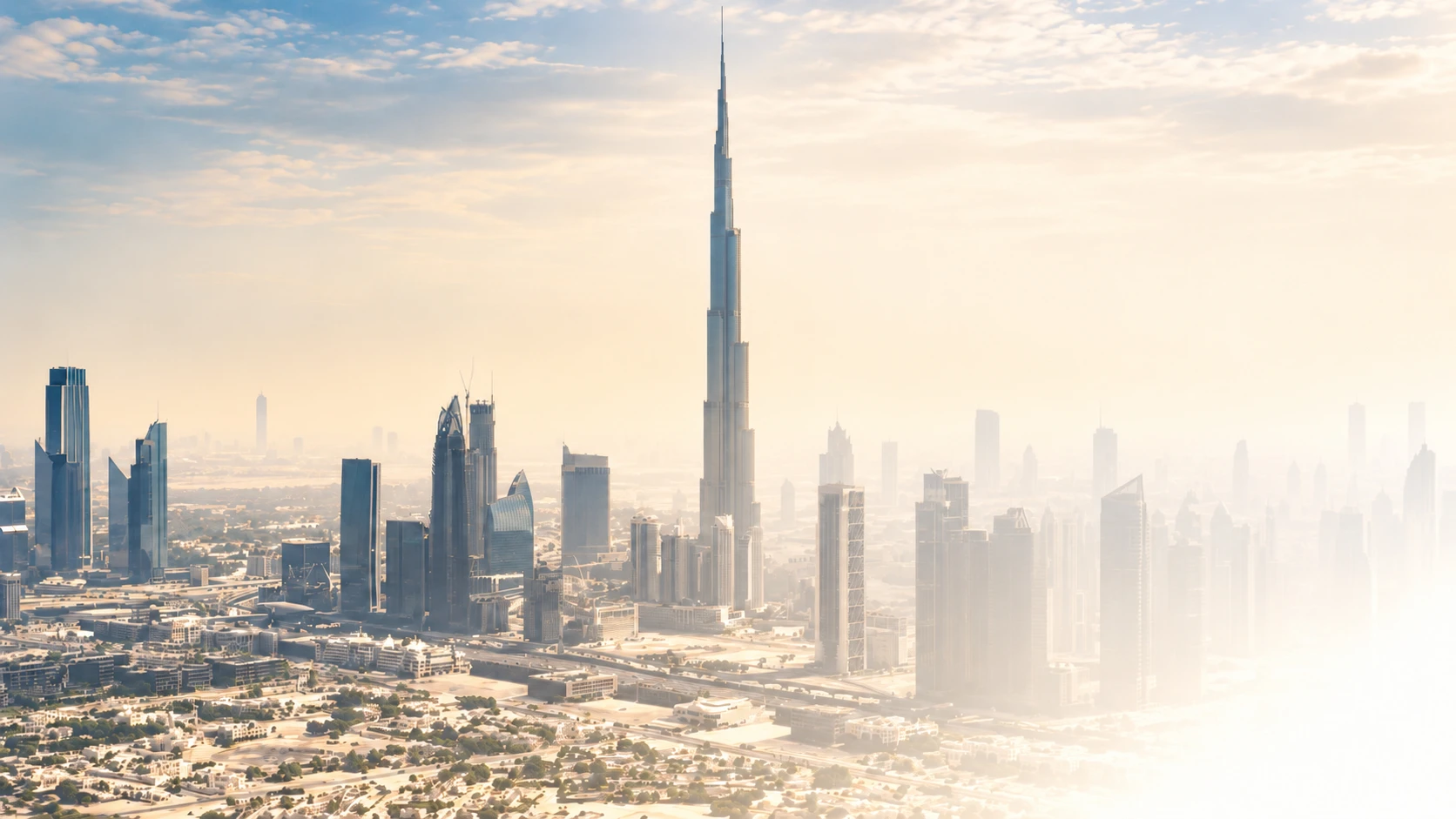
Could these projects be Dubai's new downtown?
November 5, 2026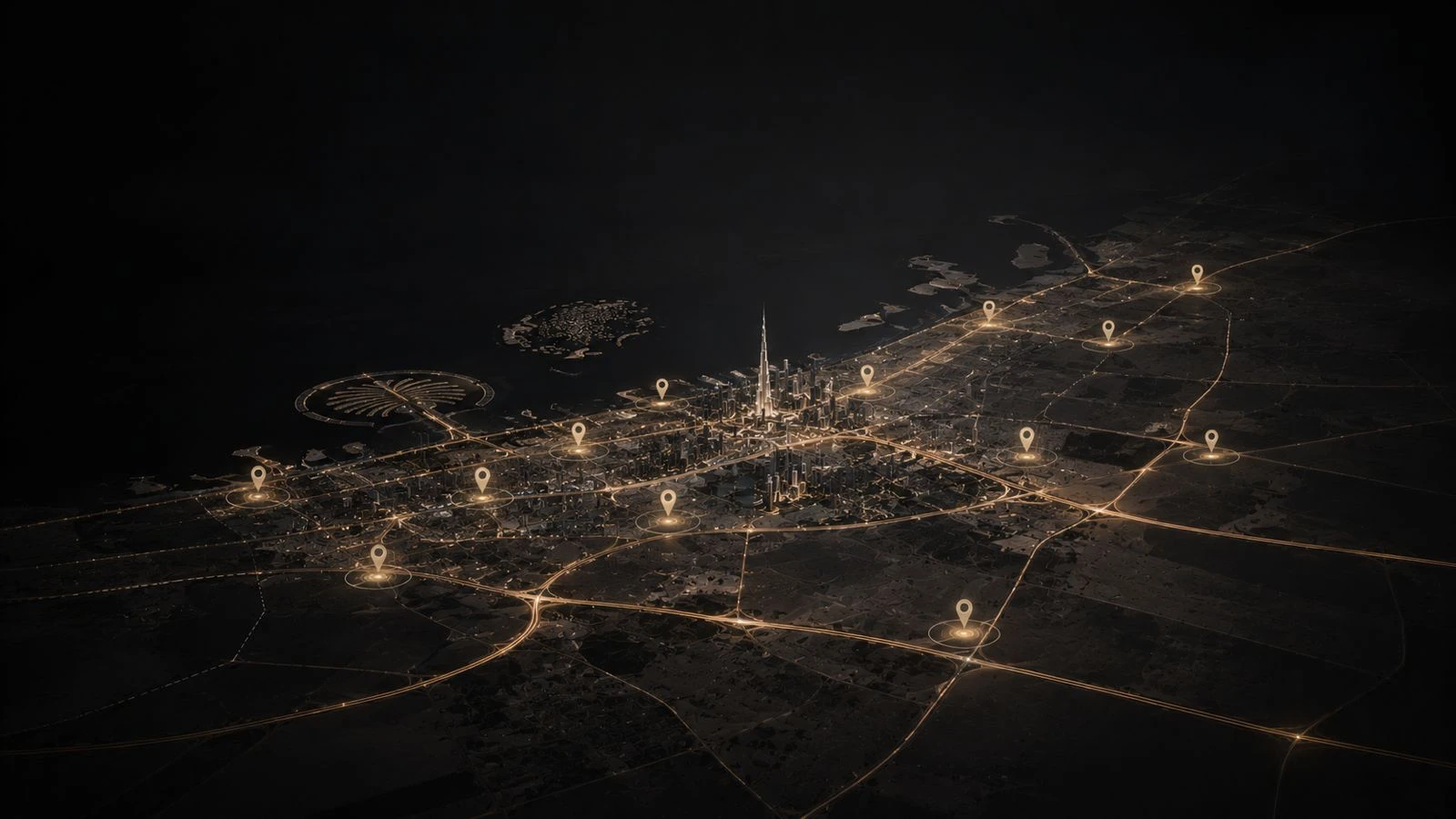
Don't Miss Dubai's Next Real Estate Growth Map
What if the next big real estate opportunity in Dubai isn't necessarily in its most expensive neighbourhoods or newest luxury developments? What if it's in the locations the city is preparing to transform? Dubai has just announced a plan that could change how investors evaluate property locations over the next 14 years.
On 27 October 2026, the Executive Council, chaired by Sheikh Hamdan bin Mohammed bin Rashid Al Maktoum, approved the **Urban Centres Development Plan**, backed by more than AED 2 billion. The plan covers 48 urban centres across Dubai: six main centres and 42 supporting sub-centres. Together, they represent approximately 12% of the city's urban area. By 2040, the initiative is expected to contribute AED 20 billion towards the real estate value of these targeted centres.
But here's what makes this announcement particularly interesting for property buyers and investors: Dubai is not just planning where to build. It is planning where people will live, work, commute and access essential services.And understanding that could help you make more informed property decisions.
Why Is Dubai Creating 48 New Urban Centres?
Think about what makes a location genuinely convenient. It's not just having a beautiful apartment or an impressive building nearby. It's being able to get to work, reach the Metro, find essential services and access everyday facilities without spending hours travelling across the city.
This is exactly the kind of urban development Dubai wants to encourage. The Urban Centres Development Plan aims to bring residential communities, employment opportunities, public services and transport connections closer together.
It focuses on three priorities:
- Quality of life: Making everyday services and facilities more accessible to residents.
- Economic returns: Creating connected hubs that support businesses, employment and investment.
- Infrastructure efficiency: Making better use of existing infrastructure while improving connectivity.
Why does this matter?
As Dubai's population grows, simply adding more residential buildings isn't enough. Communities also need the infrastructure, employment opportunities and services to support the people moving into them. A residential area without sufficient connectivity can become less practical for its residents. A commercial district without enough surrounding activity may struggle to attract businesses.
The idea is to make these elements work together rather than develop them separately.
The Metro Factor: Why Property Buyers Should Pay Attention
One of the biggest targets in the new plan concerns how many residents live around Metro stations. Currently, approximately 52% of Dubai's residents live around Metro stations. The government aims to increase this to 74%. Public service coverage is also expected to rise from 74% to 85%. For anyone looking to buy property in Dubai, this is worth understanding.
Consider two apartments with similar prices. One is conveniently connected to the Metro, workplaces, supermarkets and other essential facilities. The other requires residents to depend heavily on private transport. Even if both properties look equally attractive on paper, their everyday convenience can be very different. This is where transit-oriented development becomes important. It involves planning residential and commercial communities around public transport networks, making accessibility a central part of urban development.
How can you use this when choosing a property?
Before purchasing, look beyond the developer's amenities and the property's interiors. Check the distance to existing Metro stations, available transport links, nearby employment hubs and essential services. If new infrastructure is planned, understand its proposed timeline rather than assuming it is already available. For investors, these factors can help assess a property's potential appeal to future tenants.
A well-connected property may have advantages when competing for tenants who prioritise convenience, although this does not guarantee higher rents or capital appreciation.
What Does the AED 20 Billion Projection Mean for Investors?
The government expects the plan to contribute AED 20 billion in additional real estate value across the targeted urban centres by 2040. This is an aggregate government projection, not a promise that individual properties will increase in value by a particular percentage. However, it gives investors an important starting point for understanding where Dubai intends to focus its urban development efforts.
Here are three ways this could influence property investment decisions.
1. Residential investors: Look beyond the apartment
A property's long-term appeal depends on more than its size, views and amenities. Investors should also examine the surrounding community. Are there employment opportunities nearby? Is public transport accessible? Are schools, healthcare facilities and retail options within convenient reach? These factors can influence the type of tenants a property attracts and how practical it is to live there.
2. Commercial investors: Follow where people and jobs meet
The plan specifically focuses on bringing workplaces closer to residential communities. This creates an interesting consideration for commercial property investors. As urban centres develop, the surrounding population and employment activity could support demand for offices, retail outlets and other commercial spaces. Rather than evaluating a commercial property purely on its price per square foot, investors should also consider the businesses, residents and transport connections that could support its future activity.
3. Long-term investors: Pay attention to infrastructure plans
Infrastructure development can change how people access and use an area. A location that currently has limited connectivity could become more accessible as transport networks and public services improve. However, there is an important distinction between announced plans and completed infrastructure.
The 48 Locations: The Biggest Detail Investors Are Waiting For
Here is where things get particularly interesting. Dubai has announced the structure, budget and objectives of the Urban Centres Development Plan. However, the individual locations of the six main centres and 42 supporting sub-centres have not yet been identified in the announcement.
For investors, this is arguably the most important information still to come. Once the locations are confirmed, buyers will have an opportunity to investigate:
The Bigger Picture: Dubai Is Planning Its Next Phase of Growth
Dubai's Urban Centres Development Plan is part of a wider effort to ensure that urban development keeps pace with population and economic growth. With an investment budget exceeding AED 2 billion, 48 planned centres and a 2040 target, the initiative reflects a shift towards more integrated communities. But the real opportunity for property buyers and investors lies in understanding what happens next.
Which locations will be selected? What infrastructure will follow? How will these centres develop, and what kind of demand will they attract? These are the questions worth watching.
At Treÿsta, we believe a good property decision starts long before you choose a building. It starts with understanding the location, the people it serves and the direction in which the city is moving. Dubai has given us a glimpse of its next real estate growth map. Now, it's time to pay attention to where that map leads.
Popular Blogs
Yas Island’s AED 12B Expansion: Investor
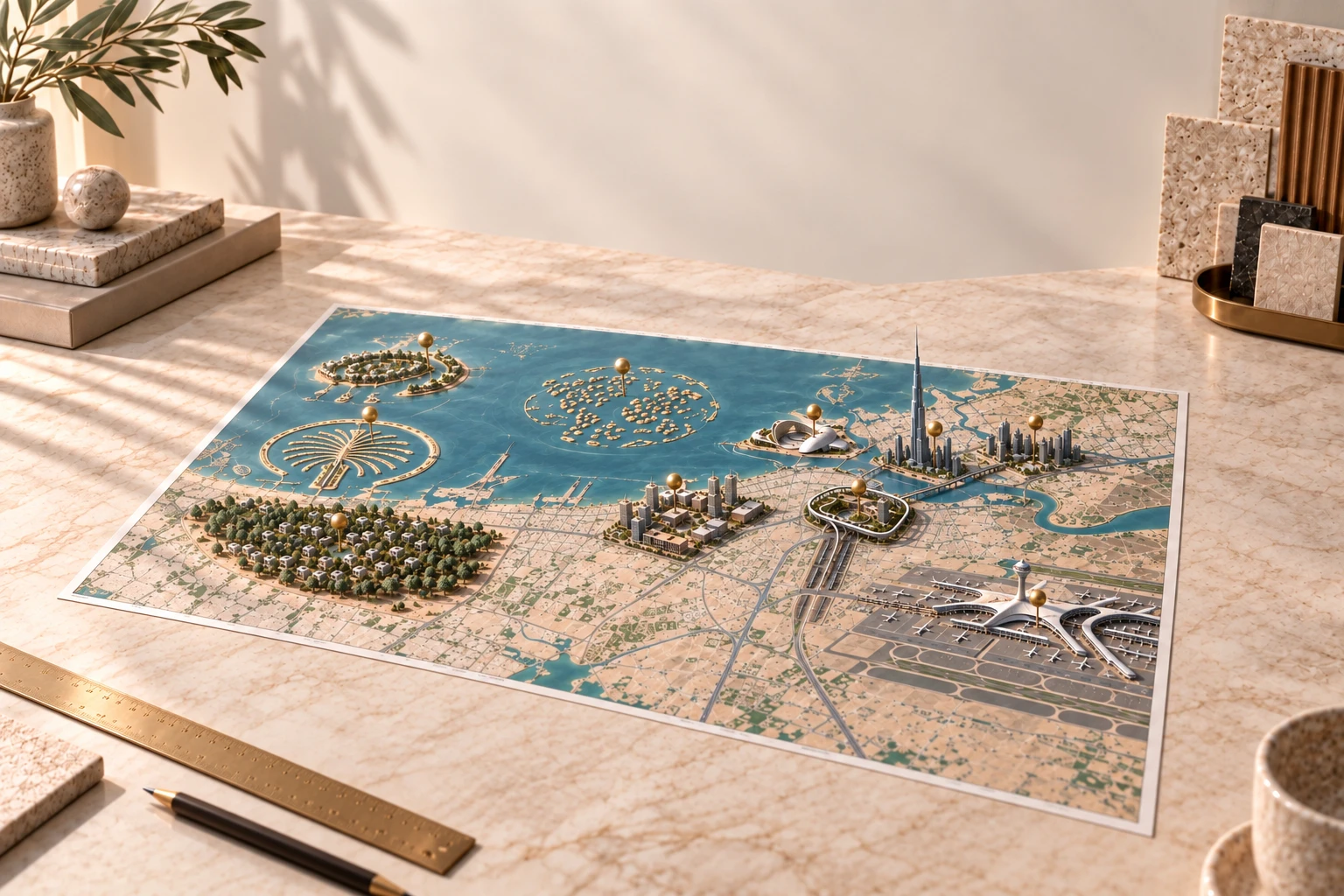
The New Dubai: 10 Projects to Watch
ADGM’s $2.1 Trillion: Abu Dhabi Property
Dubai vs London vs Singapore: 2026 ROI C
5 Developers Offering Off-Plan Mortgages