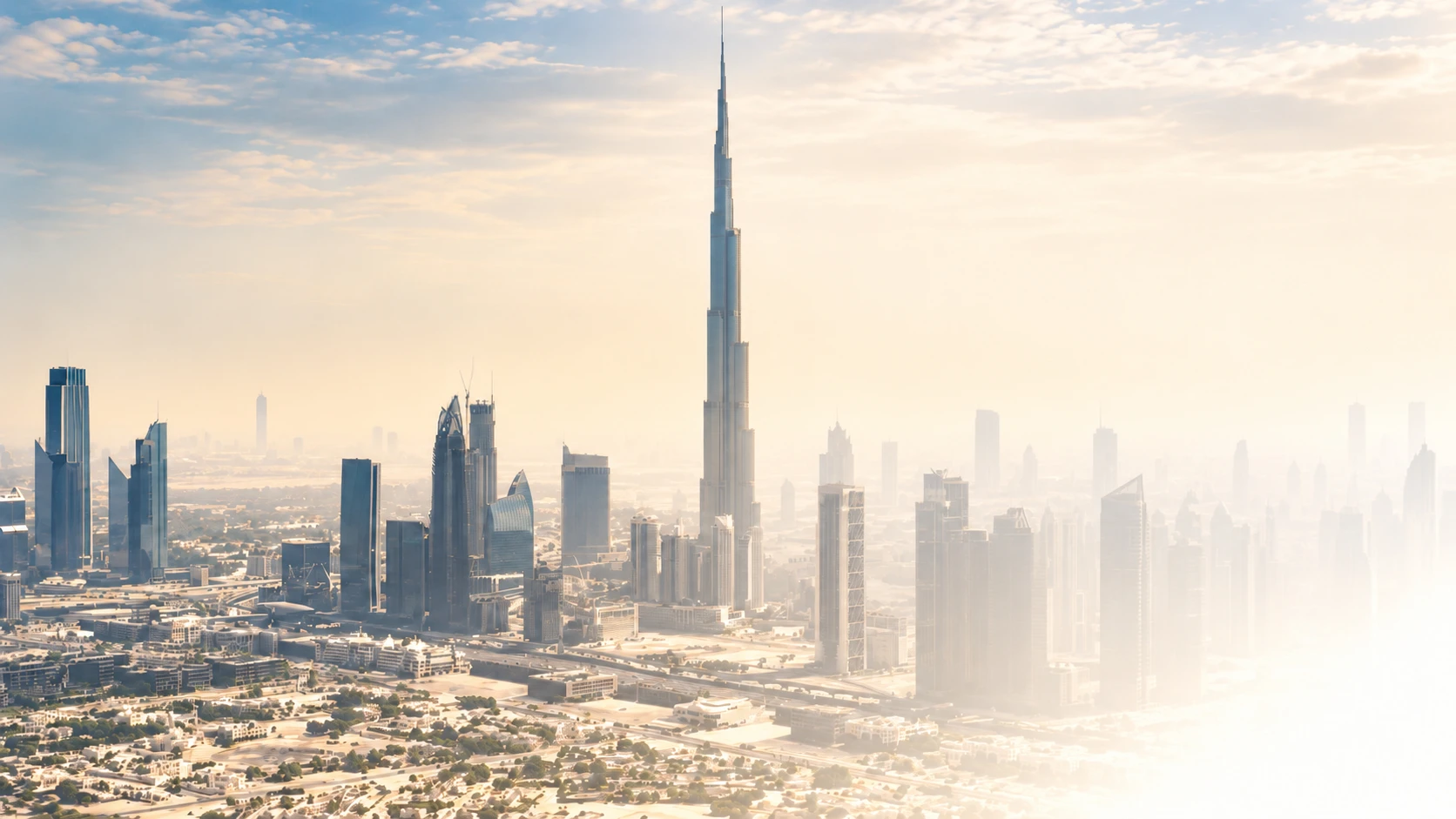
24,537 New Homes: What’s Changing in Dubai?
September 26, 2026
Dubai Adds 24,537 New Homes in H1 2026: What's Changing in the Market?
Dubai’s housing market is entering a new phase of delivery. During the first half of 2026, 24,537 new residential units were added to the market, compared with 18,043 units in H1 2025. That represents an increase of more than 36% year on year, according to Dubai Land Department data. But the story is bigger than the number of homes delivered. More projects are reaching completion, more capital is being deployed, and buyers and tenants are gaining a wider range of options.
The Scale Behind the Growth
Dubai completed 104 real estate projects in H1 2026, compared with 75 during the same period last year — an increase of approximately 38.7%. The combined investment value of completed projects exceeded AED 111 billion, up from around AED 73 billion in H1 2025. That represents a 52% year-on-year increase
The key figures are:
- 104 completed projects
- 24,537 new units
- AED 111B+ in completed-project investment value
- +38.7% YoY growth in completed projects
- +52% YoY growth in investment value
- +36% YoY growth in new housing supply
These figures show that Dubai’s development pipeline is increasingly converting from announced or under-construction projects into completed, usable housing.
18,043 Homes to 24,537 in One Year
The change in housing supply becomes clearer when comparing the first halves of 2025 and 2026. Dubai added 18,043 new units in H1 2025. One year later, that figure had increased to 24,537, meaning approximately 6,494 additional homes were delivered during the equivalent six-month period. For the market, this matters because completed supply has a more immediate impact than future project launches. Once properties are handed over, they can enter the resale and rental markets, become owner-occupied homes, or form part of an investor’s rental portfolio. That gradually changes the level of choice available within individual communities.
What Does More Supply Mean For Buyers?
For buyers, the clearest benefit is more choice.
Higher completion volumes can mean more options across:
- Different communities
- Unit sizes and layouts
- Ready and recently handed-over properties
- Price ranges
- Developers and building specifications
However, higher citywide supply does not mean every property is affected equally. A two-bedroom apartment in a well-connected established community does not necessarily compete directly with a newly delivered unit in another part of Dubai. As more stock enters the market, buyers may increasingly need to compare properties at a more detailed level: location, building quality, service charges, layout, view, developer track record and surrounding future supply.
What Does it Mean for Tenants
For tenants, additional housing supply can create more choice, particularly in areas receiving large numbers of new handovers. More available units may encourage landlords to compete through factors such as property condition, upgrades, payment flexibility and asking rent. But rental conditions are highly localised. A significant number of deliveries in one district may influence rents there more than in another neighbourhood where new supply remains limited. Demand, population growth, accessibility and the type of units being delivered will continue to matter alongside the headline supply figure.
What Does It Mean for Developers?
More completed projects also mean more competition. When buyers have a larger selection, developers can no longer rely only on the broader Dubai growth story. Individual projects have to differentiate themselves through factors such as: location, product quality, amenities, layouts, pricing, payment structures and delivery record. This could make project selection increasingly important for investors as well. Two developments launched at similar prices can produce very different outcomes if one is surrounded by heavy competing supply while the other offers a more differentiated product.
More Supply Does Not Automatically Mean Falling Prices
The delivery of 24,537 homes should not automatically be interpreted as a signal that Dubai-wide property prices or rents must decline. Supply is only one side of the market. The impact also depends on buyer demand, tenant demand, population growth, household formation, investor activity and where the new units are located. The latest completion figures are citywide numbers. They do not show whether a particular building, bedroom category or community is oversupplied. That distinction matters for investors.
Instead of asking simply, “Is Dubai getting too much supply?”, a more useful question may be:
How much directly competing supply is entering the specific area and property segment I am considering?
What Investors Should Watch Next
With more properties reaching completion, the market may become increasingly selective. Investors should look beyond the total number of new homes and examine:
Upcoming handovers: How many competing units are scheduled within the same community?
Rental demand: Are new homes being absorbed by tenants?
Property type: Studios, one-bedroom apartments, family apartments, townhouses and villas can experience very different demand patterns.
Entry price: Is the property competitively priced compared with ready alternatives?
Quality and differentiation: Does the development offer something that surrounding projects do not?
Infrastructure and connectivity: New roads, public transport and nearby commercial or lifestyle destinations can materially affect demand.
What's This Mean For Dubai's Market
Dubai’s H1 2026 numbers show a market delivering housing at a significantly faster rate than a year earlier. With 104 completed projects, more than AED 111 billion in investment and 24,537 new units, the question for buyers and investors is shifting from simply whether new projects are being launched to where the new supply is arriving and how well individual developments can compete. For buyers, that can mean more options. For tenants, it can mean greater choice.
And for investors, it makes project and location selection increasingly important as Dubai’s housing stock continues to expand.
Popular Blogs
Yas Island’s AED 12B Expansion: Investor
The New Dubai: 10 Projects to Watch whic
ADGM’s $2.1 Trillion: Abu Dhabi Property
Dubai vs London vs Singapore: 2026 ROI
5 Developers Offering Off-Plan Mortgages